Seasonal and Outdoor Fire Risk
Backyard Burning and Burn Authorizations
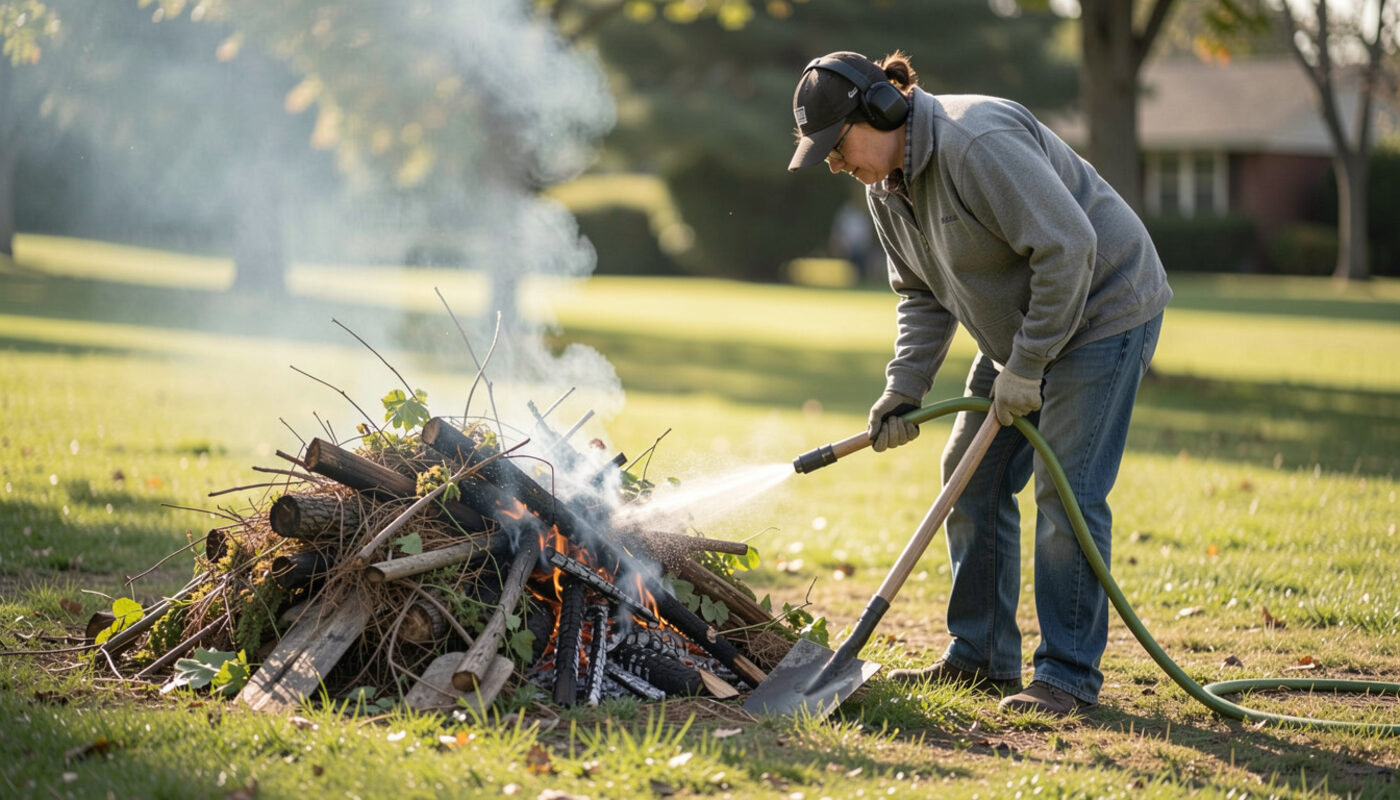
After a windy March week, the pile of palm fronds and oak limbs at the back fence reaches the point where the wheelbarrow admits defeat, and the old Florida answer has always been a match and a coffee. The modern answer is more structured: open burning in Florida sits under a statewide authorization system run by the Florida Forest Service, with local fire departments and county rules layered on top of it. None of it is complicated, but all of it is exact, and the differences between a legal burn morning and a citation usually come down to what the burner knew before lighting the pile. This guide walks through the questions in order.
The first question: where the property sits
Burning rules follow the address. Inside incorporated city limits, ordinances tend to prohibit open burning outright or to allow only narrow exceptions, and a city yard waste collection program exists precisely so residents do not burn; in the unincorporated county, yard debris burning is a normal, permitted activity. The first phone call, or the first page of the county website, settles which set of rules applies to a given lot. Calling the fire department that serves the address and asking two questions, whether open burning is allowed there at all and what it requires, takes five minutes and is the cheapest insurance in this whole subject.
What counts as yard debris
The authorization system draws a hard line around fuel. Yard debris means the material that grew on the property: limbs, fronds, leaves, brush. It does not mean household garbage, construction lumber, painted or treated wood, furniture, plastics, rubber or paper, and burning any of those converts a permitted agricultural style burn into a nuisance and a violation, with a smoke plume that neighbors report quickly and correctly. Pressure treated lumber and painted wood carry preservatives that do not belong in any open flame near people, and plywood glues answer the same description. If it did not grow on the lot, it does not go on the pile.
What an authorization is and when you need one
The Florida Forest Service issues burn authorizations for open burning, and its division pages at the Florida Forest Service describe the categories and the request process. For a residential yard debris pile, the authorization is requested close to the burn itself, because it is issued for a day and a window of hours, not as a season pass. The requestor describes the material, the pile and the location, and receives conditions along with the yes: the hours the burn is valid, the distance requirements, and anything specific to the day's weather. There is no fee for the typical yard authorization, and there is no version of the conversation in which the pile is described hopefully; misdescribing a burn is how a permitted fire becomes an unauthorized one on paper.
Distances, pile size and the tools at hand
A supervised burn comes with geometry. The pile stays clear of structures, roads and the property line by the distances stated in the authorization conditions; it is kept to a modest size rather than allowed to grow into a bonfire; and it is burned in the open, away from overhanging branches and not against a fence. The burner stays with the fire the entire time, with water and tools within reach: a charged garden hose that reaches the pile, a shovel or rake to pull the pile apart as it burns down, and a phone. The supervision requirement is the one condition with no interpretive room. A yard fire that outlives its watcher is the origin story behind a remarkable share of the brush fires the county's crews answer, and those calls pull engines away from everything else on the board.
Wind, dryness and the daily fire weather
Even a fully authorized burn is only legal on a day that allows it, and Florida fire weather is measured daily. The Forest Service and the National Weather Service publish fire danger and red flag information for each district, and a day of low humidity and steady wind is a day the answer is no regardless of the paperwork. The practical read for a backyard burner is simple: if the ground cover crackles underfoot, if the wind moves the treetops steadily, or if the forecast carries a red flag warning, the pile waits. The alert systems that carry burn bans and fire weather notices to phones are described in Getting Fire and Storm Alerts in St. Johns County.
Smoke as a neighbor question
A legal fire can still be an inconsiderate one. Smoke drifts with the prevailing breeze, and in a neighborhood of quarter acre lots it drifts into somebody's laundry, somebody's porch and somebody's lungs, and a household member with asthma does not care that the burn is permitted. Burning in the morning, when the sea breeze has not yet stacked the air, and feeding the pile steadily rather than letting it smolder, keeps the smoke column hot, narrow and short lived. A smoldering pile burns for hours and smokes for all of them; a brisk fire burns clean by lunch.
Putting it out, meaning all the way out
A yard burn is finished when it is cold, not when it is quiet. The last coals of a debris pile hold heat for a day or more, and the classic failure is the evening declaration of victory followed by an overnight wind. Drown the pile, stir it with the shovel, drown it again, and feel for warmth with a bare hand held close before walking away. If the pile is too big for the hose to finish, it was too big to light, which is the walk-through conversation held in A Seasonal Fire Walk-Through of the House when the brush stack starts leaning against the fence.
The alternatives that skip the match entirely
Curbside yard collection takes most of the material a household generates, and the county drop off sites take the rest, including the trunk sized pieces a bin refuses. A chipper rented with a neighbor turns the brush pile into mulch for the beds it came from, and palm fronds compost slower than everything else but they compost. Burning is the tradition; grinding and hauling are the default. The seasonal index to this whole subject sits under Seasonal and Outdoor Fire Risk.
Before the next match comes out of the drawer: call the department that serves the address, request the authorization for the day, and check the morning wind at the Florida Forest Service pages. The pile that follows the rules burns in an hour and is a memory by dinner; the pile that skips them is remembered differently.