Home Fire Safety
A Seasonal Fire Walk-Through of the House
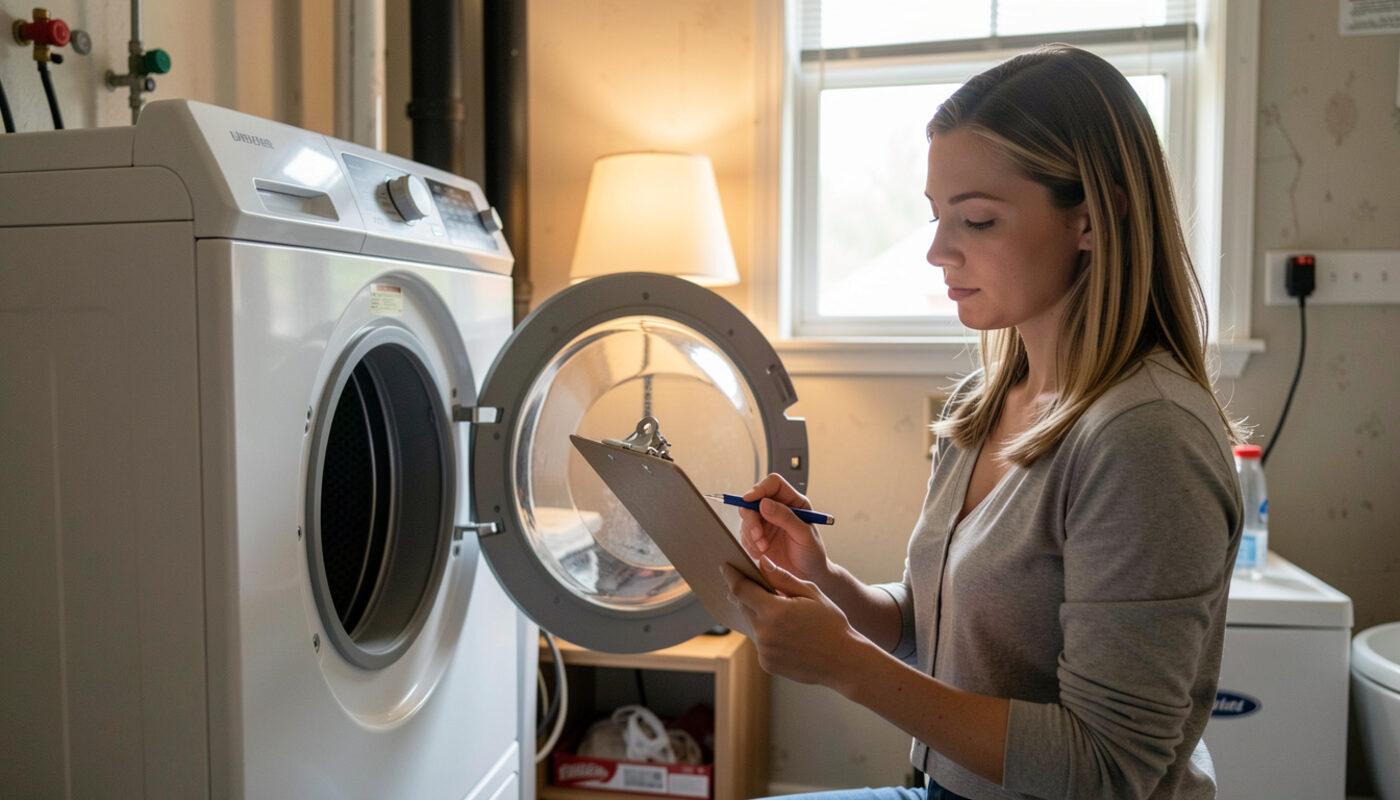
Most home fire hazards announce themselves quietly, months before they matter: a cord that has run under a rug so long nobody sees it, the lint that built behind the dryer where nobody reaches, the paint cans stacked against a water heater in a closet that gets opened twice a year. The seasonal walk-through is the habit that catches them, an hour spent walking the house with a clipboard twice a year, once in the spring before storm season and once in the fall before the heating and holiday season. The U.S. Fire Administration's prevention material supports the same sweep in pieces; this guide assembles it into one ordered pass, room by room, for an older coastal house.
Why a season, and why an hour
Fire risk in a Florida house follows the calendar. Spring brings yard debris and the burning questions covered in Backyard Burning and Burn Authorizations; summer brings storms, outages and generator nights; fall brings heating pads, space heaters and holiday wiring; winter brings the driest air and the most candles. A twice yearly pass lands before each cluster instead of after it. An hour is the honest budget: long enough to check everything on the list below with hands on each item, short enough that a household actually does it again six months later. The clipboard matters more than it sounds, because the whole value of the walk is the written trail of what was found and what was fixed.
The kitchen pass
Start where the fires start. Check that a metal lid lives within reach of the stove and that nothing flammable hangs on the hooks beside the burners. Look behind and above the range for grease on the wall, the hood and its filter, and clean what is there, since accumulated grease is fuel that only waits for a spark. Test the alarm that covers the kitchen path and note its date, then confirm the oven and broiler drawers close fully and that the cord of any countertop appliance shows no kink or scorch. The moves for the rare bad moment on the stovetop are rehearsed in Stopping a Kitchen Fire in the First Thirty Seconds, and the walk-through is when the household pauses to re read them.
The laundry and the appliances
The dryer is the appliance most underestimated on the list. Pull the machine out far enough to reach the duct where it meets the wall, disconnect it, and clear the lint from both ends, then look into the duct itself: foil or vinyl duct that has crushed or filled with lint gets replaced with rigid metal. Lint is among the most ignitable materials in a house, and dryer fires start in exactly the place nobody looks. While behind the machines, check the washer hoses for a bubble or a soft spot, and note the age of both appliances on the sheet, because a water failure near wiring becomes an electrical failure soon after.
The water heater closet
The water heater closet is where storage boxes go to be forgotten, and the clearance rule exists because the flame or element at the base ignites what leans against it. Clear three feet around the tank, top and sides included. If the tank is gas, look at the flame through the sight glass: a healthy flame burns steady and blue, and a yellow wavering flame means the burner deserves a service call this season. While the closet is open, feel the wall receptacle and the cord for warmth, a sign of a failing connection that belongs to an electrician and not to next year's walk.
Cords, strips and the wiring behind furniture
Walk the living spaces looking for electricity in its wrong places: extension cords running under rugs or through doorways, power strips plugged into power strips, phone chargers resting on bedding. Each of these is a low grade ignition source that becomes a real one on the night it is used hardest. Note every cord run longer than a season, because a permanent power need deserves a permanent receptacle installed by an electrician. In a house old enough to have two prong outlets in half the rooms, the walk is also when to notice which three prong adapters are carrying space heaters in January, and to plan the circuit work before the season that will load it.
Outside: grill, pile and propane distances
The outside half of the walk checks the distances that keep an outdoor fire outdoors. The grill, charcoal or propane, lives far enough from the siding and the eaves that a flare up does not paint the wall, and on a surface that does not burn; a wooden porch rail is the classic wrong answer. Check the propane hose for cracks and the tank for rust, and store the spare tank upright and away from the living space. Look at what has stacked against the house since the last walk: lumber, dry cardboard, the brush pile that grew beside the fence. Yard waste has its own rulebook, and the burn authorization system it belongs to is covered in Backyard Burning and Burn Authorizations; the walk-through question is simply whether it is touching the structure, and the answer is to move it until it is not.
Alarms, dates and the escape hardware
The last room of the walk is a lap of the safety equipment itself. Press each alarm's test button and write its manufacture date on the sheet; any unit past its tenth year goes on the shopping list, following the placement and replacement rules in Where Smoke Alarms Belong in a Florida Home. Open each sleeping room window and throw the release on any security bars, proving the second exit the way When Security Bars Turn Windows Into Walls insists. Check that the escape ladder boxes are still where the plan says they are. Ten minutes of hardware checks close out the hour.
Writing down what the walk found
The sheet is the part that compounds. A walk-through that writes down its findings builds a history: the cord noted in spring and fixed in June, the water heater serviced in the fall, the alarm replaced on its date. Next spring's walk starts from last spring's sheet, and the house keeps a service record the way a car does. Keep the sheets in a folder with the escape plan pages, and the whole life safety file of the house lives in one place for the evening it is wanted. The prevention material behind each stop of this walk is published by the U.S. Fire Administration.