Seasonal and Outdoor Fire Risk
Seasonal and Outdoor Fire Risk
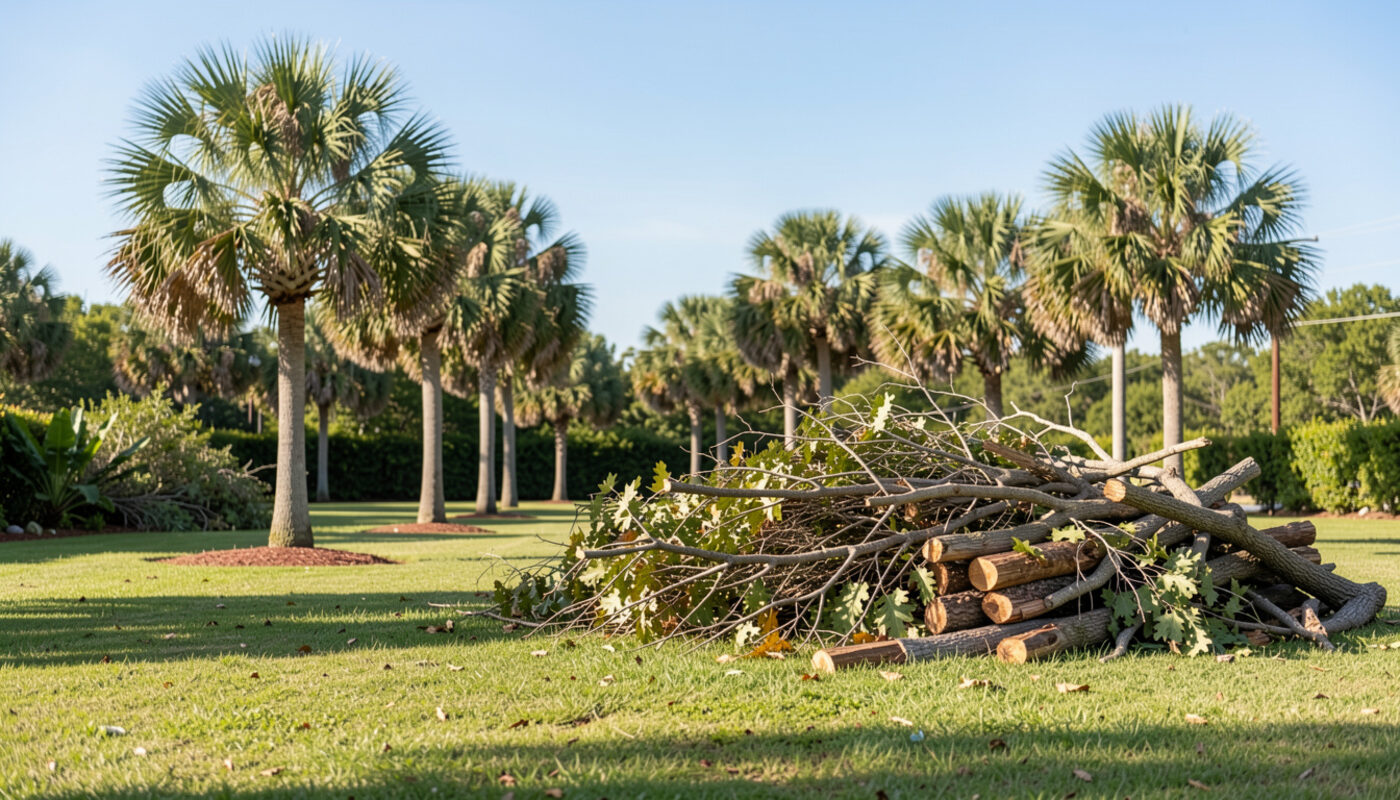
Fire risk on this coast follows the calendar more than anywhere else most Americans live. Spring dries the yard debris and raises the burning questions; summer brings the storms that cut power for a week and put a generator in every third driveway; early fall carries the deepest drought and the brush fire watches; the holidays return with heating, candles and lighting. The guides in this section take the seasonal risks one at a time, because each has its own rules, its own tools and its own month.
What this domain answered before
The site that lived on this domain a decade ago carried a burn permits page among its public information, and the questions St. Johns County residents brought then are the same ones they bring now: what may be burned, who authorizes it, what the distances are and who to call. The magazine answers them as an independent publication, anchored on the public guidance of the Florida Forest Service and the Consumer Product Safety Commission, and pointed at the county and city offices that hold the current answers.
Backyard burning and the authorization system
Backyard Burning and Burn Authorizations walks the whole yard waste question in order: the first question of where the property sits, city or unincorporated county; what counts as yard debris and what never goes on a pile; how the Florida Forest Service authorization is requested for the day of the burn; the distances, pile sizes and supervision the conditions attach; and the fire weather that closes the whole subject on the wrong day. The guide ends where the county would want it to end: with the collection and chipping alternatives that skip the match entirely.
The generator weeks after the storm
Running a Generator After the Storm Without Risk covers the machine that carries a household through an outage and the gas that makes it the most dangerous thing on the property when it is placed wrong: outdoors, twenty feet from openings, exhaust pointed away, cords rated for their loads, fuel handled cold, and the carbon monoxide alarm that guards the sleeping house as the layer of last defense. The guide's placement math is worth reading before the storm rather than during it, because the rain is exactly when the wrong placement decision gets made.
The outage evenings between storms
The hours before power returns are their own fire season: candles lit in bedrooms, a grill pulled close to the door for light as much as heat, phone chargers stacked on a power strip feeding off a car in the garage. The seasonal walk-through described in A Seasonal Fire Walk-Through of the House carries the flashlight and battery shelf that replaces most of the candle hours, and the generator guide carries the rest. The households that ride outages without a single open flame are the households that packed for them on a clear day.
How this section fits the magazine
The seasonal risks sit between the home guides and the community guides: a burn pile that follows its authorization never becomes the brush fire the county's crews answer, and a generator placed at twenty feet never becomes the carbon monoxide call the emergency room sees. The neighboring sections are Home Fire Safety, for the alarms, escape plans and kitchen moves that carry a household through every season, and Community Fire Watch, for the alerts that reach a phone and the neighbors who check on each other after the wind goes down.
Reading order for a new household
Start with the generator guide if the season is summer, or the burning guide if it is spring, because the nearest risk is the one worth reading first. Then take the walk-through, which pulls the outside distances, the fuel storage and the battery shelf into one seasonal habit. The two guides in this section are deliberately short on anecdote and long on the exact numbers that matter: twenty feet, the authorization window, the distances in the conditions, the burn hours on the day of. Numbers are what a household needs at the moment of decision, and the numbers here are the published ones, from the agencies that enforce them and stand behind them.