Home Fire Safety
Home Fire Safety
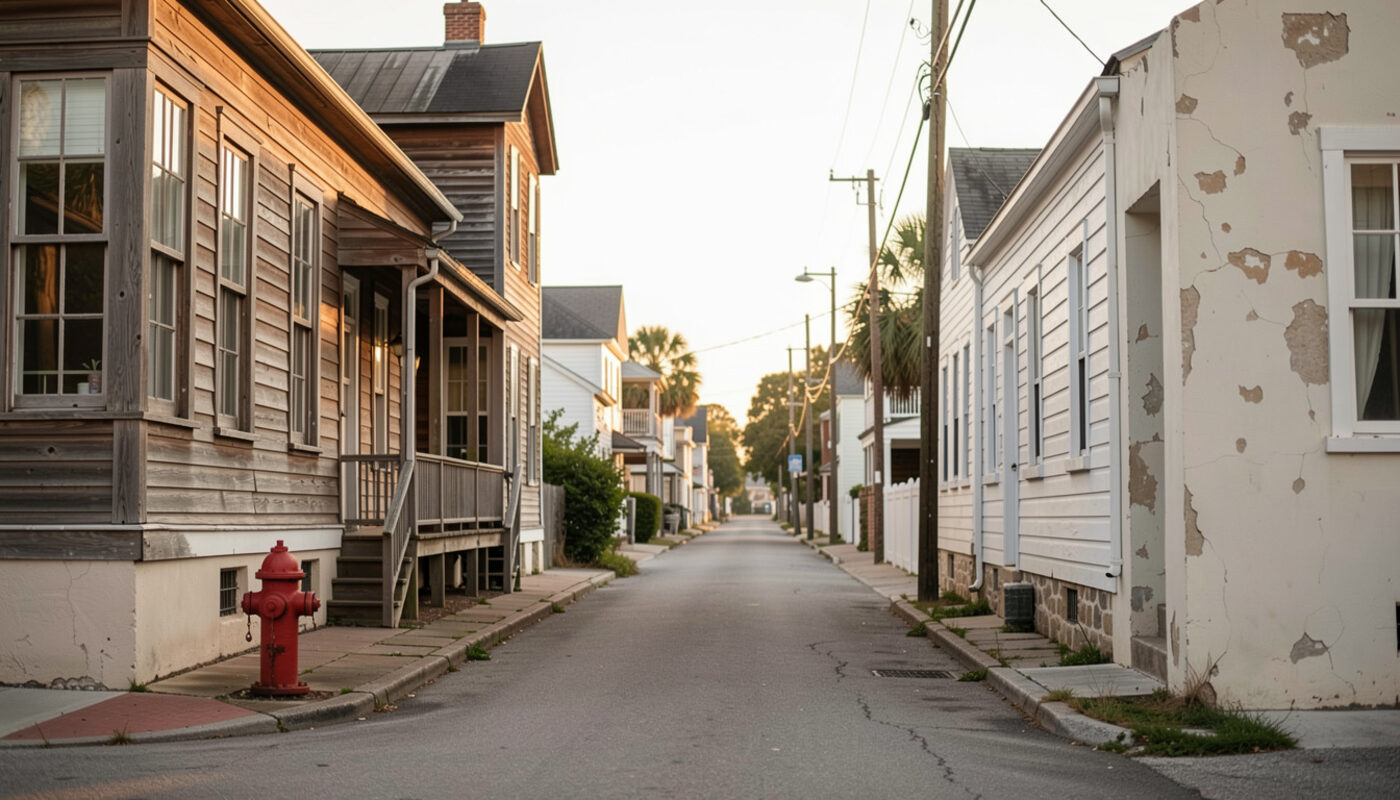
Home fire safety is the largest subject this magazine covers, because it is the largest subject in the loss data: the fires that hurt St. Augustine households are overwhelmingly the ordinary ones, starting at a stove, in a dryer, on a cord, or with a cigarette in an upholstered chair. The guides gathered here each take one piece of that pattern and make it a habit a household can hold: alarms placed where they wake people, an escape plan rehearsed in the dark, the thirty seconds that decide a kitchen fire, windows that bars have not turned into walls, and the seasonal walk that catches everything else. Each guide stands alone and each links to the others, because the habits compound.
Where the guides came from
This domain carried a fire department's public pages for over a decade, and the subjects the community asked about then are the subjects below: smoke alarms, escape planning, kitchen and cooking safety, window security, the seasonal check of the house. The magazine covers them as an independent publication, in plain language, with the public guidance of the U.S. Fire Administration and Ready.gov as its references. Nothing here replaces a call to emergency services or a visit from a fire inspector; everything here makes the household that reads it harder to hurt.
The alarm guide, where every plan starts
Where Smoke Alarms Belong in a Florida Home covers the placement that determines whether an alarm wakes the household or misses it: one in each sleeping room, one outside each sleeping area, one per level, tested monthly, replaced at ten years from the date stamped on the back. The guide also walks the practical questions old coastal houses raise, from plaster ceilings that resist brackets to sealed battery models that end the battery chore, and the interconnection that lets one alarm sound the whole house.
The escape plan that works at two in the morning
A Home Fire Escape Plan That Works at Night turns the floor plan into a map the household can walk asleep: two exits from every room, windows proven to open, a meeting spot in front of the house, doors closed behind, and the rehearsal that makes all of it survive contact with a real alarm at a real hour. Upper floors and ladder realities get their own section, because a plan that ignores who can climb a ladder is a plan with a hole in it.
The kitchen, where the fires start
Stopping a Kitchen Fire in the First Thirty Seconds is the guide households hope never to use and should all read twice. It covers why cooking leads the national home fire count, why water on burning oil explodes instead of extinguishing, and the moves that end a pan fire early: burner off, lid slid on from the side, oven doors kept closed, and the discipline of getting out when the fire has left the pan.
Windows, bars and the second way out
When Security Bars Turn Windows Into Walls addresses the Florida tension between a hard exterior and a usable exit: quick release mechanisms, keys on hooks at the frame, the monthly thirty second drill that keeps both working, and the ordering that puts sleeping rooms first. Security film, lights and thorny hedges offer the protection without the cage, and the guide covers the landlord and review board conversations older districts require.
The seasonal walk-through that ties it together
A Seasonal Fire Walk-Through of the House is the one hour, twice a year habit that carries this whole section: the kitchen pass, the dryer duct, the water heater clearance, the cord audit, the grill and pile distances outside, and the alarm date check, all on a clipboard whose sheets become the house's service record. Households that keep the walk keep finding things; households that skip it let the quiet hazards age in place.
How to use this section
Read the alarm guide first and the walk-through second, because between them they cover the equipment and the calendar. Add the escape plan on a weekend with the whole household, and the kitchen guide with everyone who cooks. The window and bar guide belongs to the households whose houses need it, and to any reader planning an upgrade. The neighboring sections of this magazine cover Seasonal and Outdoor Fire Risk and Community Fire Watch, for the burn piles, the generator nights and the neighbors that complete the picture of a household's fire year.