Community Fire Watch
Community Fire Watch
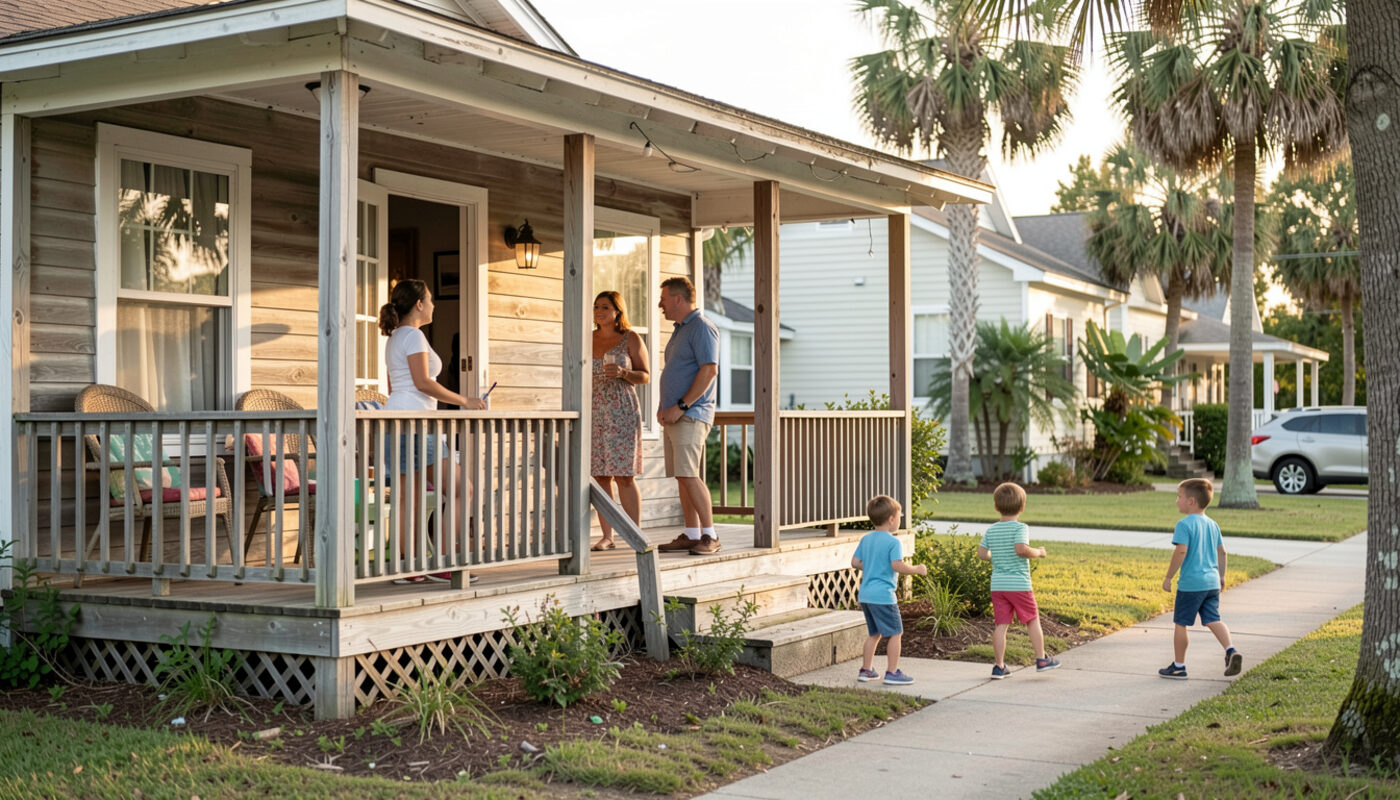
Fire safety stops at the property line for most households, and the loss data says it should not: the risks that climb with age, the children sleeping in other people's houses, the alerts that reach a phone in seconds, and the fire service that recruits from the very streets it protects are all community subjects. The guides gathered here cross the fence, for the reader arranging safety for a parent, sending a child to a sleepover, signing a household up for the county's alerts, or standing at the start of a road into the fire service itself.
What this section inherits
The site that occupied this domain for a decade carried pages for the community it served: news, events, links, a page on the alert service of its day, a recruiting page, and material for the older residents of the city. The magazine covers the same human territory as an independent publication, pointing readers at the current public sources: the county's alert pages, the city fire department's own site, and the federal guidance that underwrites the safety advice throughout this magazine.
The older adults who live alone
Fire Safety When an Older Adult Lives Alone is the guide this section is proudest of, because the statistics it opens with are the ones a community can actually move: fire death risk rising steeply after sixty five, concentrated in cooking and smoking fires, in homes with missing or dead alarms. The guide's answers are small and they work, from the timer worn on a lanyard to the bed shaker alarm and the neighbor who checks daily, and its framing is the one that lands: comfort and convenience first, safety arriving quietly with them.
The sleepover checklist
A Sleepover Fire Checklist Parents Can Send Along packs the whole subject into five questions, one card and thirty seconds at a door: alarms on the guest floor, two exits from the guest room, a meeting spot the child can name, the call home that is always welcome. The checklist travels in the sleeping bag's side pocket and quietly outlasts childhood, which is the point of teaching habits rather than rules.
The alert stack for the county
Getting Fire and Storm Alerts in St. Johns County assembles the layers a household signs up for before the season: Alert St. Johns through the county's registration page, the city's StAugAlerts text channel, the emergency operations center's Nixle notices, the wireless emergency alerts built into every phone, and the battery radio underneath it all. Each layer catches the households the others miss, and the guide closes with the neighborly errand of walking someone else through the sign up.
The road into the fire service
The Road From Applicant to Firefighter maps the credentials and the calendar: the State of Florida Minimum Standards Course, the EMT and paramedic layers, the National Testing Network batteries, the fitness that matches the physical test, and the hiring cycles that reward the candidate who prepared in years. The guide also carries the volunteer and support paths that start sooner, because the service has more doors than the front one.
How this section fits the magazine
The community guides sit on top of the home ones: a household that has its alarms, its escape plan and its seasonal walk, described under Home Fire Safety, is the household with the spare hour to check on a neighbor and the spare smoke alarm to bring as a house gift. The seasonal risks of burning and generator nights, under Seasonal and Outdoor Fire Risk, complete the year. A community is a set of households that can find each other in the dark; that is the standard this section writes toward.
Reading order for a concerned neighbor
Start with the alerts guide, because it is ten minutes and it protects the reader today. Then read the older adults guide with a specific person in mind, because it converts directly into a Saturday of small changes. The sleepover checklist belongs to the households with children leaving for the weekend, and the firefighter guide belongs to the reader who keeps circling the idea; both are worth an hour. Every guide in this magazine ends with a gesture the reader can make the same evening, and this section's gestures all cross the property line, which is what makes them worth making.