Community Fire Watch
A Sleepover Fire Checklist Parents Can Send Along
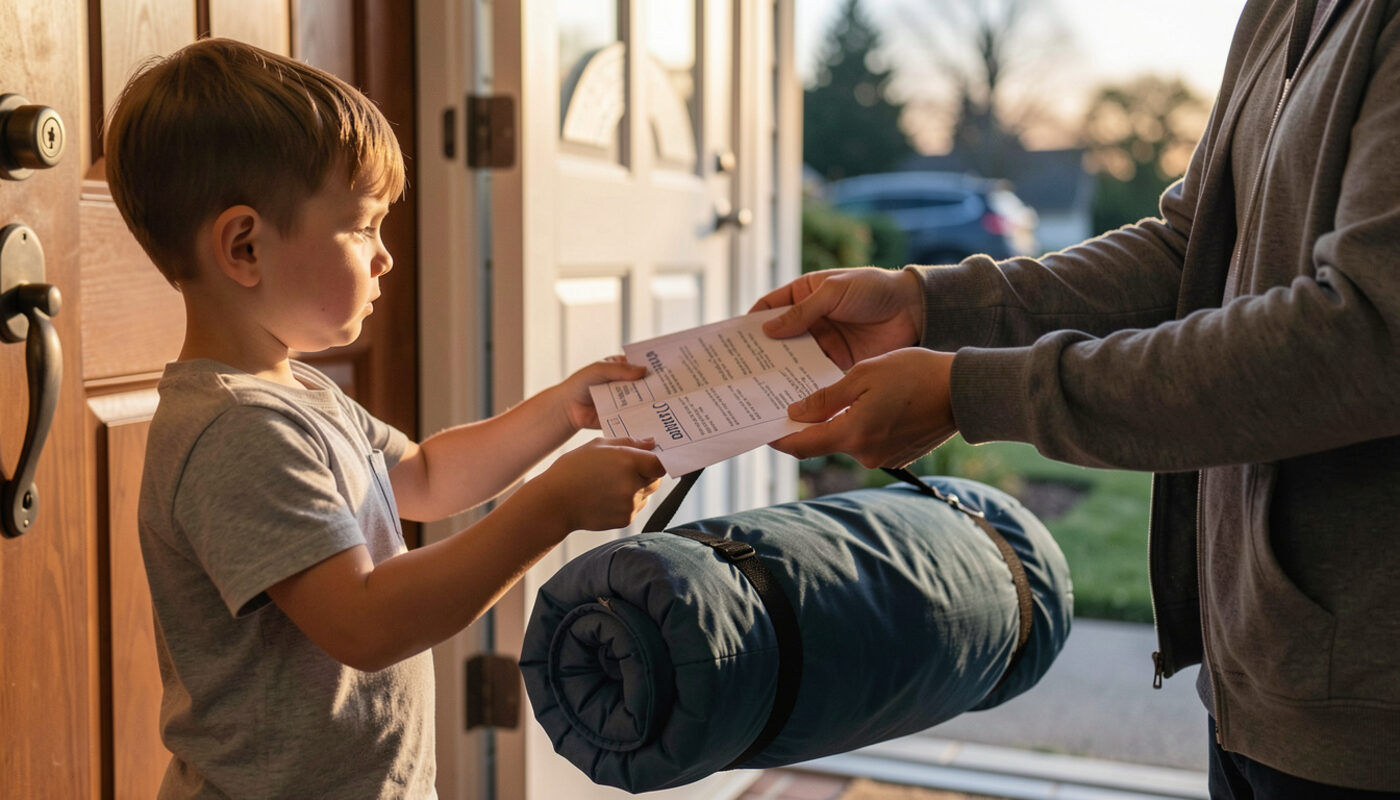
The sleeping bag leaves the house on a Friday evening, and with it a child who will spend the night navigating someone else's exits, someone else's alarms and someone else's household habits. Parents have learned to pack for allergies and electronics; fire safety is the layer that rarely occurs to anyone until a story on the news, and it is the easiest layer to add, because it consists of five questions, one card and one conversation. This guide assembles the sleepover fire checklist a family can send along, built on the home fire basics published by Ready.gov and on the placement and escape habits covered throughout this magazine.
Why a sleepover is a fire drill with snacks
A child at a sleepover is, for one night, a resident of a house whose fire plan he does not know, in a room whose second exit he has never opened, on a floor he cannot find in the dark. The host family's habits are unknown variables: whether alarms work, whether the bedroom door closes, whether anyone in that house has rehearsed anything. None of this is an accusation; most households have never rehearsed anything, and the questions land as care rather than audit when the parent asking them offers the same answers about their own house in return. The checklist exists precisely so the asking is easy and the answers fit on one card.
The five questions to ask the host family
The questions are short enough to ask at the door and specific enough to mean something. First, is there a working smoke alarm on the floor where the children sleep and outside the room? Second, does the guest room have two ways out, the door and a window that opens? Third, where does the household meet outside if the alarm sounds? Fourth, who calls emergency services, and from where? Fifth, are there lighters or matches stored out of reach, and is the stove off after the evening popcorn? A host who can answer three of the five is ahead of the national average, and a host who cannot is not a bad host, only the recipient of a good conversation. The parent offering their own answers while asking is the tone that makes the exchange land.
The card that travels with the bag
The checklist becomes a card the child carries in the sleeping bag's side pocket: the meeting spot filled in for the host house, the child's own address and the parents' numbers written large, and the two rules that never change, get out and stay out, and go to the meeting spot. A card works because children remember objects better than lectures, and because a card can be handed to the host parent, which starts the conversation the phone call would have started, on the doorstep, in thirty seconds. Families who laminate the card have noticed the children keep them for years, folded into backpacks for field trips and camps, which is the checklist quietly graduating into a habit.
Alarms on the guest floor
The single most consequential question on the list is the alarm one, because everything else in a night fire depends on waking up. An alarm inside the room where children sleep and one in the hall outside it, tested that week, is the configuration described in Where Smoke Alarms Belong in a Florida Home, and a host whose guest room has no alarm is a five dollar fix away from having one. A parent sending a child to a house with a known dead alarm does the simple thing: brings a sealed ten year battery alarm as a house gift, which is the least awkward safety intervention ever invented and the most effective.
The guest room's two exits
The door is the first exit. The window is the second, and it needs the same proof any bedroom window needs: it opens, it stays open, and it fits the body sleeping beside it. A guest room on the second floor raises the question of the escape ladder, and a first floor room with security bars raises the release question covered in When Security Bars Turn Windows Into Walls. The parent asking is not inspecting hardware; the parent is teaching a child to look for the second way out of every room he ever sleeps in, which is a habit that outlasts childhood and costs one glance at the window.
The meeting spot conversation, thirty seconds at the door
The meeting spot is the piece children forget last, because it is a place and places stick. At the door, the host parent points: the mailbox, that tree, the end of the driveway. The child repeats it, the card gets it written down, and the household has done the one piece of A Home Fire Escape Plan That Works at Night that can be improvised on a Friday: an agreed outdoor rendezvous point. The rest of the plan, the doors closed, the crawl under smoke, the never going back for the phone, rides along in the child's head from the family's own rehearsals at home.
The call home plan
The last item on the card is not a fire item, and it earns its place anyway: when to call home, and the promise that the call is always welcome. Children who know they can call at midnight for any reason, a bad feeling, a scare, smoke smell in the hall, call earlier than children who fear they will be teased for it. The phone that charges beside the sleeping bag rather than under it is the physical half of the same promise. Parents exchanging the two cards, theirs for the guest child and the host's for theirs on the reciprocal weekend, complete a small closed loop of households that can receive each other's children in the dark.
Before the bag goes in the car
Run the five questions on the phone two days before, not in the doorway with the child bouncing. Pack the card and, if the answer to the alarm question was no, pack the alarm. Say the three sentences to the child in the car: two ways out, meeting spot, and you can always call. Then send the child, because the point of the whole checklist is a childhood that includes other people's kitchens and pancakes at other people's tables, safely and without ceremony. The community index of guides arranged around neighbors, alerts and households is under Community Fire Watch, and the home fire fundamentals behind this checklist are published by Ready.gov.