Seasonal and Outdoor Fire Risk
Running a Generator After the Storm Without Risk
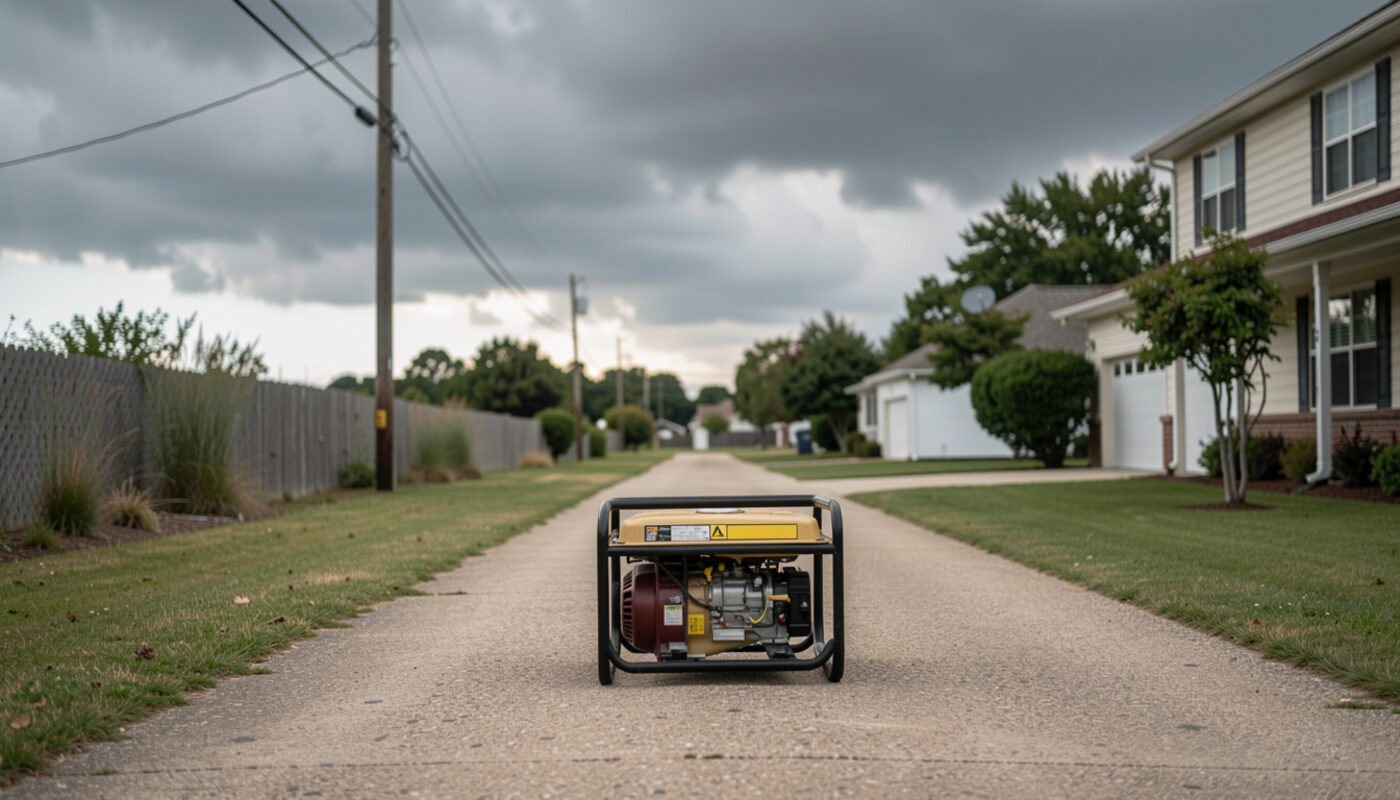
September on the Florida coast follows a script: the storm comes through on Tuesday, the power goes with it, and by Thursday the neighborhood sounds like a small engine convention. A portable generator is genuinely one of the best purchases a coastal household can make, and also one of the most dangerous when it is placed by convenience rather than by rule. The U.S. Consumer Product Safety Commission sums up the core fact in one line on its carbon monoxide pages: a single portable generator can produce as much carbon monoxide as hundreds of cars. This guide covers placement, power and the habits that keep the machine that runs the refrigerator from being the machine that fills the bedrooms.
Carbon monoxide, the neighbor with no smell
Carbon monoxide kills by displacement: it rides the hemoglobin in the blood better than oxygen does, and a sleeping household never wakes to warn itself. The gas has no smell, no taste and no irritation; the early symptoms are the same ones people excuse on a stormy night, a headache and tiredness, experienced while unconscious in bed. The CPSC's carbon monoxide information center is the reference behind the placement rules in this guide, and its headline number, the hundreds of cars comparison, is the one worth remembering when the temptation is to move the generator a little closer to the door in the rain.
Twenty feet, outdoors, away from openings
The rule of distance is blunt: the generator runs outdoors, at least twenty feet from the house, positioned so its exhaust points away from windows, doors, vents and the neighbor's windows too. A garage with the door open is not outdoors; CO pools at floor level, seeps back under the garage door, and rides the smallest gap into the house overnight. A covered porch, a carport and a workshop lean to are all versions of the same trap, sheltered spots that feel safe and concentrate the exhaust exactly where people sleep nearest. The dry compromise in sideways rain is a canopy or a purpose built generator tent placed so the exhaust path stays open, never the garage. Twenty feet is not a suggestion from a cautious agency; it is the number that keeps a running engine's exhaust below the concentration that reaches a pillow.
The cord question
Power leaves a portable generator two ways: a heavy extension cord through a window, or a transfer switch wired into the panel by an electrician. The cord path has rules of its own. The cord is rated for the load, thick and short rather than thin and long, because a cord too small for the appliance it feeds heats at the reel and at the plug, and the storm that brought the generator also brought the fire. One cord per receptacle, no daisy chains, no indoor rerouting under doors that crush it, and the generator end of every connection stays dry and above any standing water. A transfer switch eliminates the cord question entirely and, just as important, eliminates the one maneuver that endangers line workers: back feeding the panel through a homemade cord, which puts voltage on wires the crew assumes are dead. Households considering the switch can bundle it with the panel work an older house usually needs anyway.
Fuel, storage and dry hands
Gasoline storage follows the same logic as every other liquid fuel around a house: in approved containers, outside the living space, away from the water heater and the generator's own exhaust. Fueling deserves its own sentence: the generator gets fuel only when it is off and cooled, because a hot muffler meets a gasoline spill exactly the way a hot stove meets oil. Filling to the shoulder of the tank leaves room for expansion, and a funnel keeps the spill from happening at all. Hands dry, gloves dry, and the flashlight stays a flashlight rather than a phone balanced on the fuel can. The seasonal habits that keep fuel cans from migrating against the house wall are part of the outside half of A Seasonal Fire Walk-Through of the House.
The CO alarm that guards the sleeping house
Placement and discipline fail sometimes, and the layer that catches the failure is a carbon monoxide alarm outside the sleeping area, one per level at minimum, batteries checked with the smoke alarms on the same monthly schedule. The two devices are not substitutes for each other: the smoke alarm answers the fire, the CO alarm answers the engine running where it should not, and the combination units cover both from one ceiling spot. A generator household without a CO alarm is running an experiment on its own family with the results published by the CPSC every year, and the alarm placement logic is laid out in Where Smoke Alarms Belong in a Florida Home.
Before the season, not during it
Generator accidents cluster in the first twelve hours of an outage, on machines bought in a hurry or pulled from storage untested. Before the season: run the machine for twenty minutes in its proper spot, confirm it carries the refrigerator's load without stumbling, label the cords with what they feed, and write the start steps on an index card taped to the frame, because the person starting it at dusk in the rain may not be the person who tested it in May. Storm tracking and outage news arrive on the phone through the county systems described in Getting Fire and Storm Alerts in St. Johns County, and the household that knows the outage is coming starts its generator routine rested rather than rattled.
When the power returns
Bringing the machine down matters as much as starting it up: let the connected loads off first, shut the engine down, and let it cool before it goes back to storage, with the tank either full and stabilized or empty depending on how long the shelf will hold it. A machine stored with untreated fuel develops a carburetor problem that announces itself at the worst possible hour next season, and the run test before the next storm is what catches it. The full index of seasonal fire risk on the coast, from generator nights to spring burn mornings, sits under Seasonal and Outdoor Fire Risk.
Measure the twenty feet today, while the sky is clear: pace it off from the bedroom window to the far end of the driveway, and put a paving stone where the generator's wheels belong. The placement and carbon monoxide guidance followed in this guide is published by the CPSC carbon monoxide information center.